Exotic Trees
-
Nyssa sylvatica – Black Tupelo is a medium-sized, deciduous tree with a graceful pyramidal shape. Native to North America, it brings seasonal interest and structure to gardens and landscapes. During summer, its dark green, glossy leaves—oval and pointed—reach up to 15 cm long. As autumn arrives, they transform into a stunning display of reds, oranges, and yellows, making it a true standout. This tree thrives near ponds or in damp, moist areas and tolerates clay soils well. Tiny flowers bloom discreetly, followed by small blue berries that attract birds and enhance biodiversity. Typically growing to around 7 meters tall and 4 meters wide, Black Tupelo is ideal for woodland-style plantings. The name sylvatica reflects its natural habitat—thriving in forested environments..
-
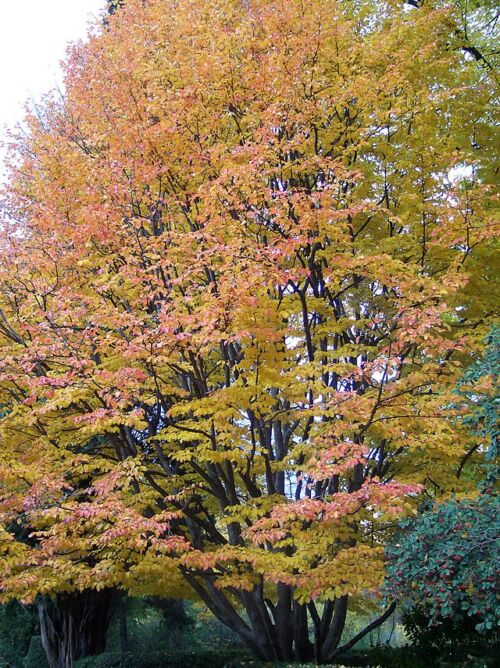
Parrotia persica – Persian Ironwood is a compact, deciduous tree known for its exceptional autumn colour. Originating from Iran, it’s considered one of the finest small trees for seasonal interest. The botanical term persica refers to its Persian roots, highlighting its natural heritage. This slow-growing, broad-spreading tree often develops multiple stems and features attractive, flaking bark. Its dark green leaves shift dramatically in autumn, turning vivid shades of yellow, orange, rosy pink, and scarlet. In late winter to early spring, clusters of unusual red flowers appear on bare twigs, adding early-season charm. Persian Ironwood tolerates clay soils, though it’s best to avoid overly wet conditions. With a mature size of approximately 8 meters tall and 6 meters wide, it makes an excellent specimen tree.
-
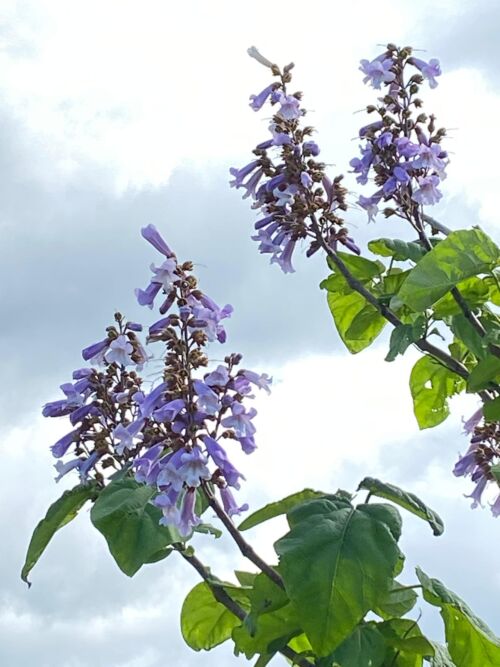
Paulownia tomentosa ‘Princess Tree’, also known as the Empress Tree, is a fast-growing, broad-spreading deciduous tree that instantly adds a tropical feel to any garden. Thanks to its vigorous growth and lush form, it quickly becomes a focal point in both formal and informal landscapes. Its exceptionally large, soft green leaves form a dramatic canopy, making it an excellent choice for shade. Then, in spring, it bursts into bloom with fragrant violet-blue flowers featuring delicate white centres. These stunning blossoms add vibrant colour and a sweet scent, enhancing the overall garden experience. Although it prefers moist, well-drained soil in a sunny, sheltered position, it will also tolerate mild coastal conditions. This adaptability makes it suitable for a wide range of environments. Native to China and South Korea, this majestic tree typically reaches around 8 metres in height and 6 metres in width. As a result, it stands out beautifully in both small and large garden spaces.
-
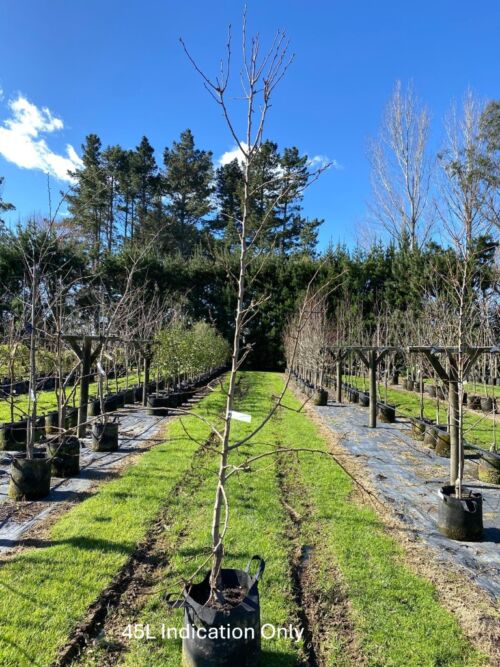
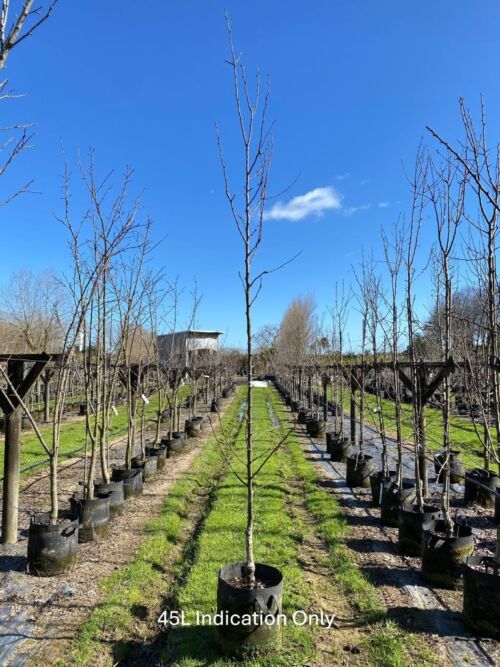
Large long necked, green- yellow fruit, that is ideal for eating and bottling. Harvest is apx Feb March. Branches are more horizontal making it an excellent choice for espaliering. Also known as the Bartlett pear. HERITAGE Pollinators: Beurre Bosc Winter Nelis, Conference, Doyenne du Comice.
-
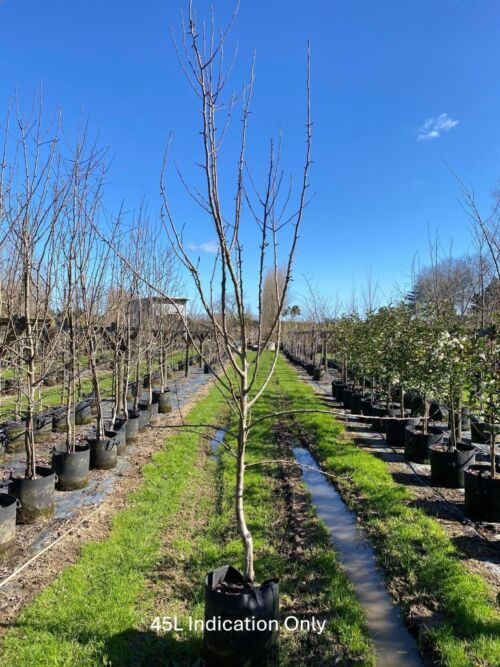
Conference pear trees exhibit a strong, upright growth pattern, often characterized as dense or columnar. They naturally extend more in height than width, developing at a moderate pace. Fruit are long necked, green with some russeting and good juicy flavour. Its name derives from the National British Pear Conference in London in 1885, where it won first prize. Harvest apx March April. Partially self-fertile. Grows to apx 4 x 3m. HERITAGE
-
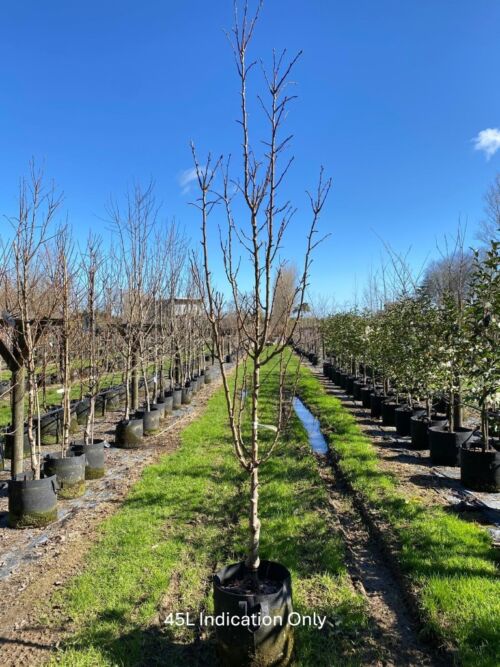
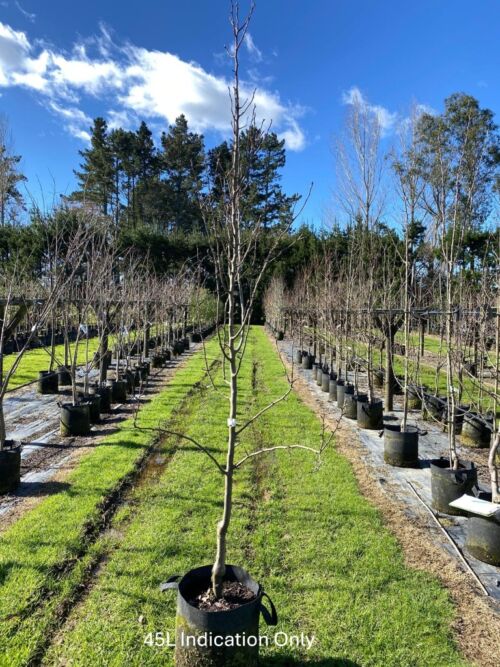
Medium to large size fruit. Skin is red to bright red when ripe. A very good all purpose variety either eaten fresh, preserved, baked or poached. Harvest is apx March April. Pollinators: Conference, Doyenne du Comice, Packhams, Winter Nelis.
-
A vigorous tree with an upright spreading habit. Excellent late season variety that keeps well for winter eating. Reliable and prolific fruiter with fruit that is juicy sweet and tender. Grows to apx 4 x 3m HERITAGE
-
A very good late eating pear with excellent storage. Small green fruit with reddish russet patches and buttery, rich flavoured flesh. Very hardy, but best in a warm site. Harvest apx April May. Pollinators: Beurre Bosc, William Bon Chretien. HERITAGE
-
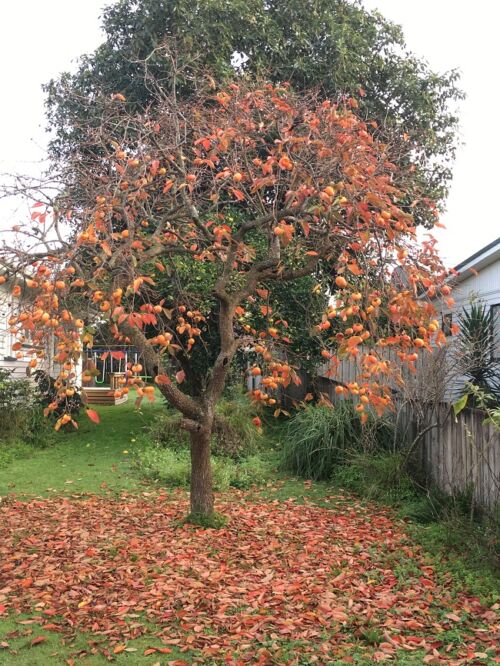
Persimmon ‘Fuyu’ is a deciduous, small, round, spreading tree with large glossy green leaves. In autumn, the foliage transforms into vibrant shades of red, orange, and yellow, creating a striking seasonal display. ‘Fuyu’ is the most popular commercial variety grown. Its medium to large, deep orange fruit is non-astringent, sweet, and of excellent quality. Harvest typically occurs from May to July. The fruit can be eaten fresh like an apple, sliced, dried, or made into jam and chutney. Persimmons prefer moist yet well-drained soil and perform best in full sun. Furthermore, ‘Fuyu’ is self-fertile, making it easy to grow. This variety reaches approximately 5m tall by 4m wide, forming a compact and productive tree. The ‘Fuyu’ persimmon is a Japanese cultivar that originated in China before being introduced to Japan, where it was widely cultivated and admired.
-
- Description
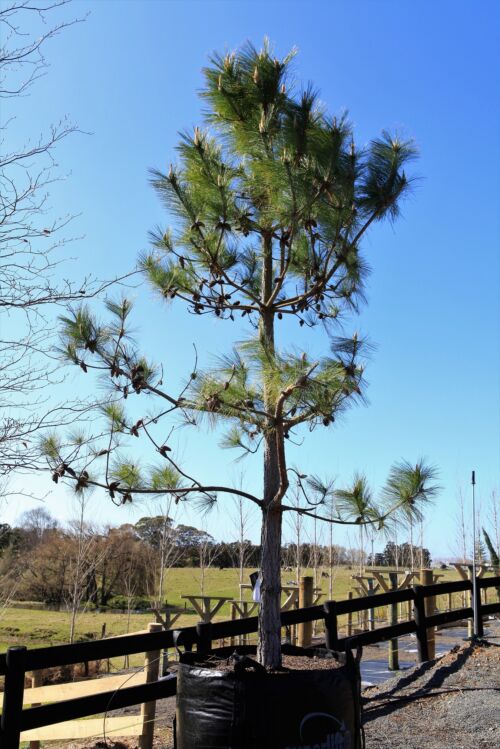
A stout and elegant pine species with a rugged trunk of rough dark red bark with fissures revealing a black underlay. The framework of irregular, layered horizontal branches give the trees wonderfully unique and interesting character. Planted for centuries in Japan these trees can withstand heavy pruning to shape. Coastal hardy. Untrimmed growing to 30m. -
Platanus orientalis – Oriental Plane is a fast-growing, deciduous tree known for its broad, rounded crown. Its large, maple-like green leaves are deeply lobed and turn a rich golden hue in autumn, adding seasonal interest to any landscape. One of its standout features is the bark, which flakes off in patches on the trunk and older branches, revealing a beautifully dappled surface. This adds texture and character throughout the year. Adaptable to most soil types, it tolerates clay and thrives even in polluted urban environments. However, it’s best to avoid overly wet soils for long-term health and growth. Ideal for parks, farms, and large open spaces, it makes an excellent shade, avenue or specimen tree. In 10 years, it can reach around 8 metres tall and 5 metres wide, eventually maturing to 15 x 7 metres or more. The name orientalis means “relating to the Orient,” reflecting its origins in Southeastern Europe and the Eastern Mediterranean.
-
Platanus x acerifolia – London Plane is a fast-growing, deciduous tree with a broad, rounded crown. Its large, maple-like palmate leaves measure 20–25cm across. Deep green and glossy with a white felt underside, they turn a rich golden yellow in autumn, creating a striking seasonal display. One of its standout features is the bark, which flakes off in patches on the trunk and older branches, revealing a beautifully dappled surface. This adds texture and character throughout the year. The London Plane tolerates a wide range of soils, including clay, and thrives even in polluted urban environments. However, it’s best to avoid overly wet conditions for optimal growth and longevity. Perfect for parks, farms, and large open spaces, it provides excellent shade and structure. It can reach approximately 8 x 7 metres in 10 years and may grow to 20 x 7 metres at full maturity. The botanical name acerifolia means “with leaves like a maple,” reflecting its foliage. Its origins trace back to England, where it was first cultivated.
-
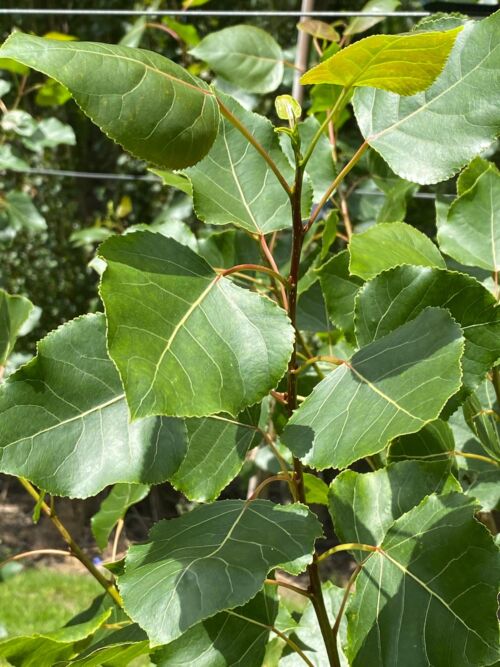
Populus ‘Crows Nest’, commonly known as the Upright Poplar, is a fast-growing, narrowly columnar deciduous tree that offers both practicality and visual appeal. With large green leaves that turn a brilliant yellow in autumn, it brings seasonal colour while maintaining a tidy vertical form. Thanks to its slim profile, ‘Crows Nest’ is widely used as a shelterbelt or screening tree, especially in areas where space is limited. Additionally, it can be topped to control height, making it a flexible choice for windbreaks or boundary planting. For effective shelter, trees should be planted 3–4 metres apart. Moreover, this poplar is reasonably drought tolerant, although it performs best in moist, well-drained conditions. It also boasts improved resistance to fungal rust, making it a resilient option for various landscapes. In ideal conditions, it can grow to approximately 10 metres in 10 years and may eventually reach heights of 25 metres or more. While the Populus genus is widely distributed across the Northern Hemisphere—from Europe to China and North America, ‘Crows Nest’ is a unique New Zealand selection, well-suited to local climates and growing conditions. Whether used for erosion control, shelter, or as a structural element in larger plantings, Populus ‘Crows Nest’ delivers fast results with minimal fuss.
-
Populus 'Tasman' - Tasman poplar, is a bold and fast-growing deciduous tree with a broadly columnar shape. During summer, its lush green foliage creates a vibrant canopy. Then, as autumn arrives, the leaves turn a brilliant golden yellow—often earlier than other poplar varieties. Not only visually striking, this tree is also highly functional. It performs exceptionally well in erosion control, large shelter belts, and timber production, thanks to its sturdy form and rapid growth. Moreover, Poplar 'Tasman' thrives in windy and wet conditions, making it ideal for exposed or challenging sites. Its resilience adds long-term value to both rural and urban landscapes. Reaching approximately 20 x 15 metres or more, it offers impressive height and presence. Whether for practical use or aesthetic impact, this tree delivers reliable performance and natural beauty.
-
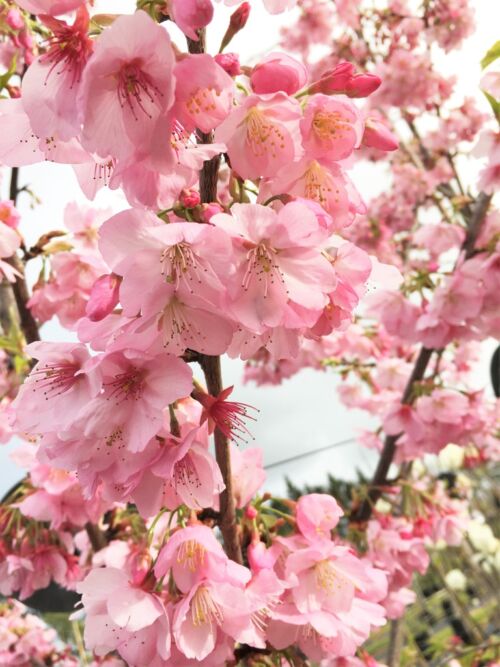
Prunus campanulata ‘Pink Cloud’ is a fast-growing, deciduous Taiwan Cherry variety that brings vibrant colour and graceful form to the garden. As a hybrid campanulata cultivar, it develops into a small, neat, round-headed specimen with spreading branches—perfect for compact spaces. During summer, its green foliage provides a lush canopy, which gradually shifts to tones of yellow and orange in autumn. Notably, ‘Pink Cloud’ is among the earliest flowering cherry trees, producing masses of soft-pink single blooms from late winter into early spring. These bell-shaped flowers (reflected in the Latin name campanulata, meaning “bell-like”) are a favourite of native Tui, adding life to the garden. Thriving in moist, well-drained soil, this cherry prefers a sunny, sheltered position for optimal growth and flowering. Because of its manageable size, reaching approximately 5 x 4 metres, it’s an ideal shade tree for smaller urban gardens, courtyards, or lining avenues. Additionally, it can be trimmed to maintain a desired height and shape. Whether you're looking to attract wildlife or add early-season colour, ‘Pink Cloud’ offers charm, structure, and seasonal delight.
-
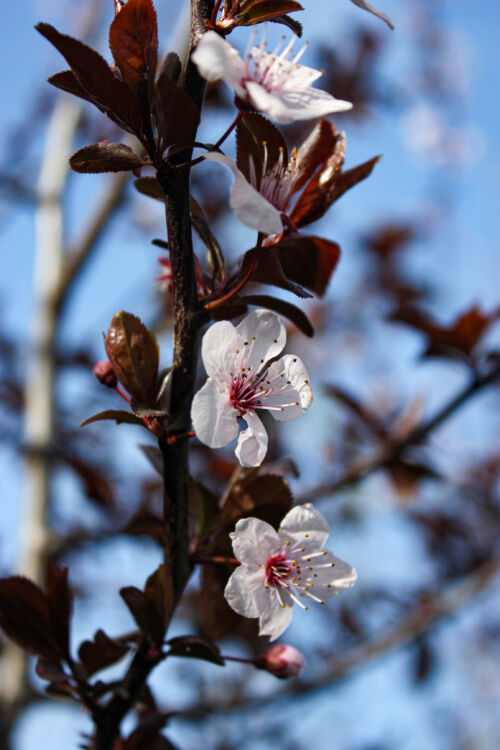
Prunus cerasifera ‘Thundercloud’ – Purple-Leaf Flowering Plum adds bold colour and seasonal charm to your garden with the Prunus cerasifera ‘Thundercloud’, a compact ornamental deciduous tree known for its purple-black foliage and delicate pink spring blossoms. Originally from California, this purple-leaf plum tree features an upright, rounded form, making it an ideal statement tree for smaller gardens. In early spring, its bare stems burst into bloom with single pink flowers, just before the rich foliage emerges—creating a stunning contrast. Throughout summer and into autumn, the vibrant leaves maintain their deep hue, offering year-round interest. Because it prefers moist, well-drained soil in a sunny, sheltered position, it’s a low-maintenance choice for both novice and experienced gardeners. Typically growing to approximately 6 x 4 metres, ‘Thundercloud’ is perfect for those seeking a compact ornamental tree that delivers seasonal colour, structure, and visual impact.
-
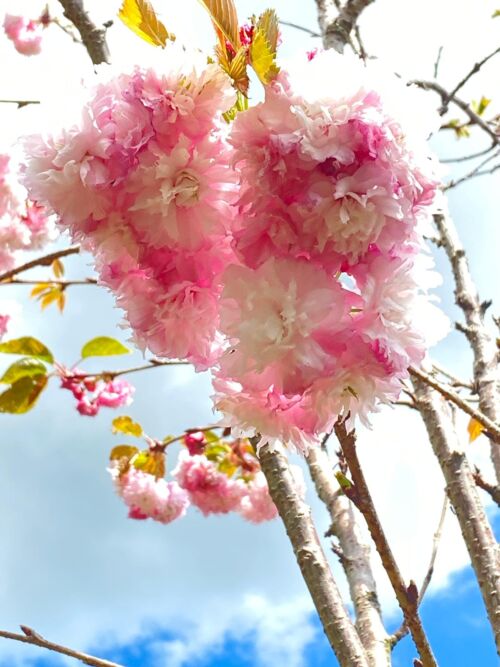
Prunus serrulata ‘Pink Perfection’ is a graceful, deciduous Japanese flowering cherry tree with an elegant upright, vase-like form. Originally selected in the United Kingdom, this ornamental tree offers year-round appeal. Throughout the seasons, its lush green foliage transforms into a breathtaking autumn display of golden yellow, fiery orange, and rich crimson red. Then, as spring arrives, deep pink buds burst into double blossoms of rosy pink which gradually fade to a delicate soft pink, creating a stunning floral show. Ideally, it thrives in moist, well-drained soil and prefers a sunny position. Because of its compact size, growing to approximately 5 x 4 metres, it’s a superb choice for lining avenues, framing pathways, or adding charm to more intimate garden spaces. Whether you're designing a formal landscape or a tranquil retreat, ‘Pink Perfection’ brings elegance, seasonal interest, and timeless beauty to any outdoor setting.
-
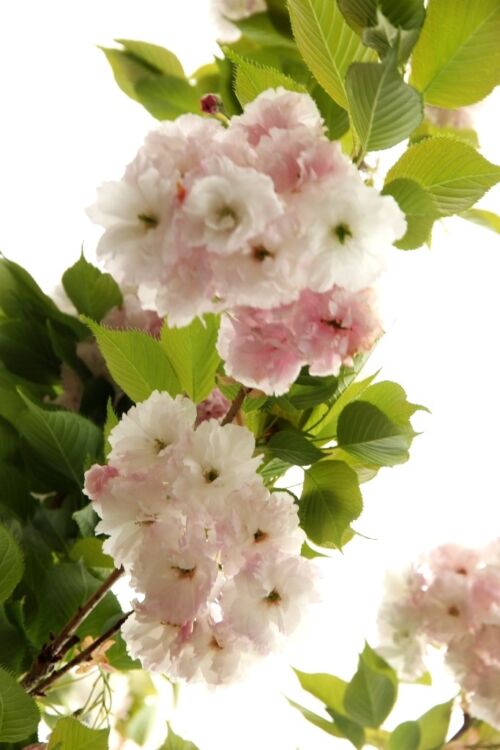
Prunus serrulata ‘Shimidsu Sakura’ – Moonlight Cherry, is a stunning Japanese flowering cherry tree. This small deciduous tree features a spreading habit with graceful, arching branches, making it a spectacular choice for compact garden spaces. Over summer, the foliage is a vibrant green, gradually shifting to yellow and orange hues in autumn, adding seasonal colour and interest. In late spring, buds emerge in soft pink tones, opening into double flowers that begin as pale pink and fade to pure snow white—a breathtaking display that enhances any garden. Shimidsu sakura thrives in moist, well-drained soil and prefers a sheltered, sunny position. Because of its elegant form and manageable size, it serves beautifully as a feature specimen in smaller landscapes. Typically growing to approximately 4 x 4 metres, Moonlight Cherry is both ornamental and easy to maintain. The name Shimidsu-sakura refers to the specific cultivar, where sakura means cherry blossom in Japanese, and Shimidsu is the cultivar name itself.
-
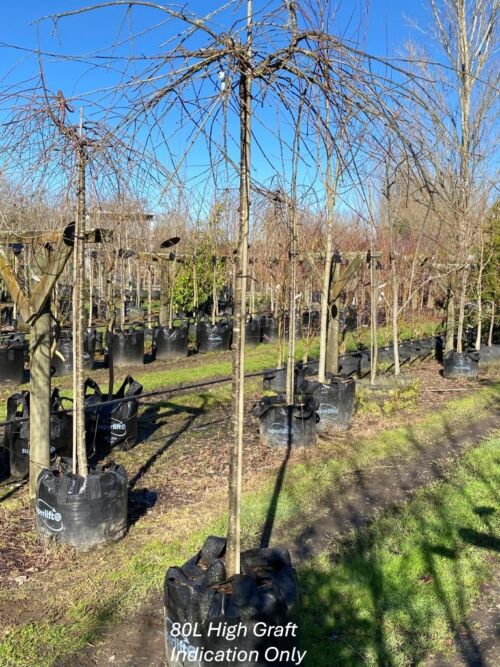
Prunus subhirtella ‘Pendula Rosea’ is a deciduous weeping cherry that brings elegance and seasonal beauty to any landscape. Typically grafted onto a clear stem, its slender, arching branches cascade downward, gradually forming a stunning fountain-like silhouette. During summer, the tree is cloaked in lush green foliage, which transitions into warm shades of yellow and orange as autumn arrives. By mid-spring, deep pink buds burst open into delicate single pink flowers, creating a soft display against the bare branches. Thriving in moist, well-drained soil, this cherry prefers a sunny, sheltered position to protect its fine blossoms and foliage. Because of its compact size and graceful form, ‘Pendula Rosea’ makes an excellent feature tree for smaller gardens, courtyards, or decorative planting schemes. Whether you're designing a tranquil retreat or adding seasonal interest to a limited space, this weeping cherry offers charm, colour, and structure all year round.
-
Sale!A striking and relatively new cultivar, the deciduous tree Prunus yedoensis 'Te Mara' was developed in New Plymouth, New Zealand, with ancestral roots in Japan. This cherry tree has a vigorous, upright growth habit, forming a strong central leader. Rich green leaves provide a lush canopy through the summer, turning brilliant golden-orange in autumn for a dazzling seasonal display. In early spring the tree bursts into masses of delicate, shell-pink single blossoms. These nectar-rich flowers are a magnet for tūī and other nectar-loving birds, making it a beautiful and biodiverse addition to any garden. Prefers moist, well-drained soil and thrives as a Specimen tree, Shade provider, Avenue planting and as stated, a Bird-friendly feature. Moderate to fast-growing, reaching approximately 7 metres tall by 6 metres wide. Noteworthy Alternative: An excellent substitute for Prunus Felix Jury or Prunus Campanulata superba, offering similar charm with its own unique flair.